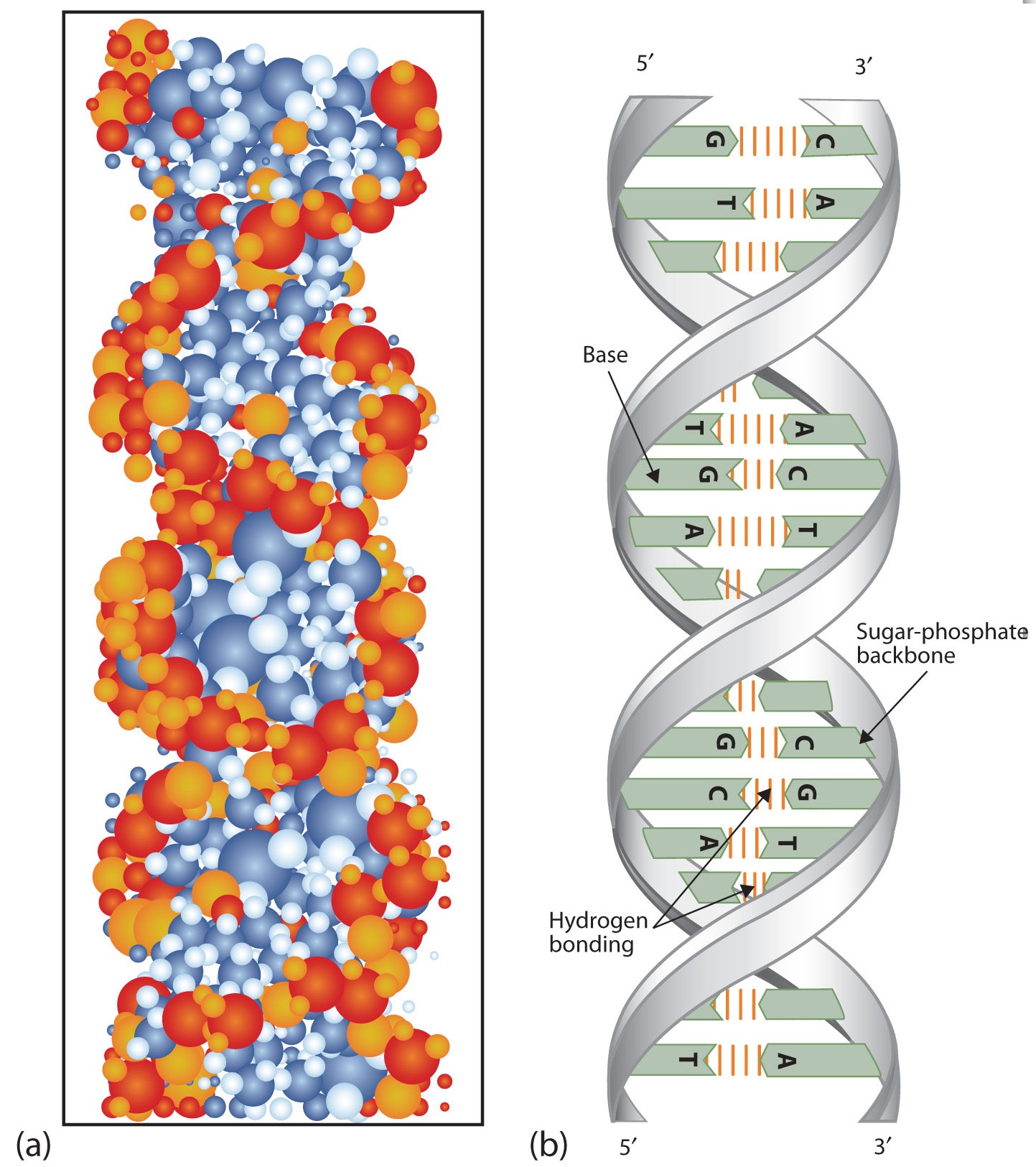
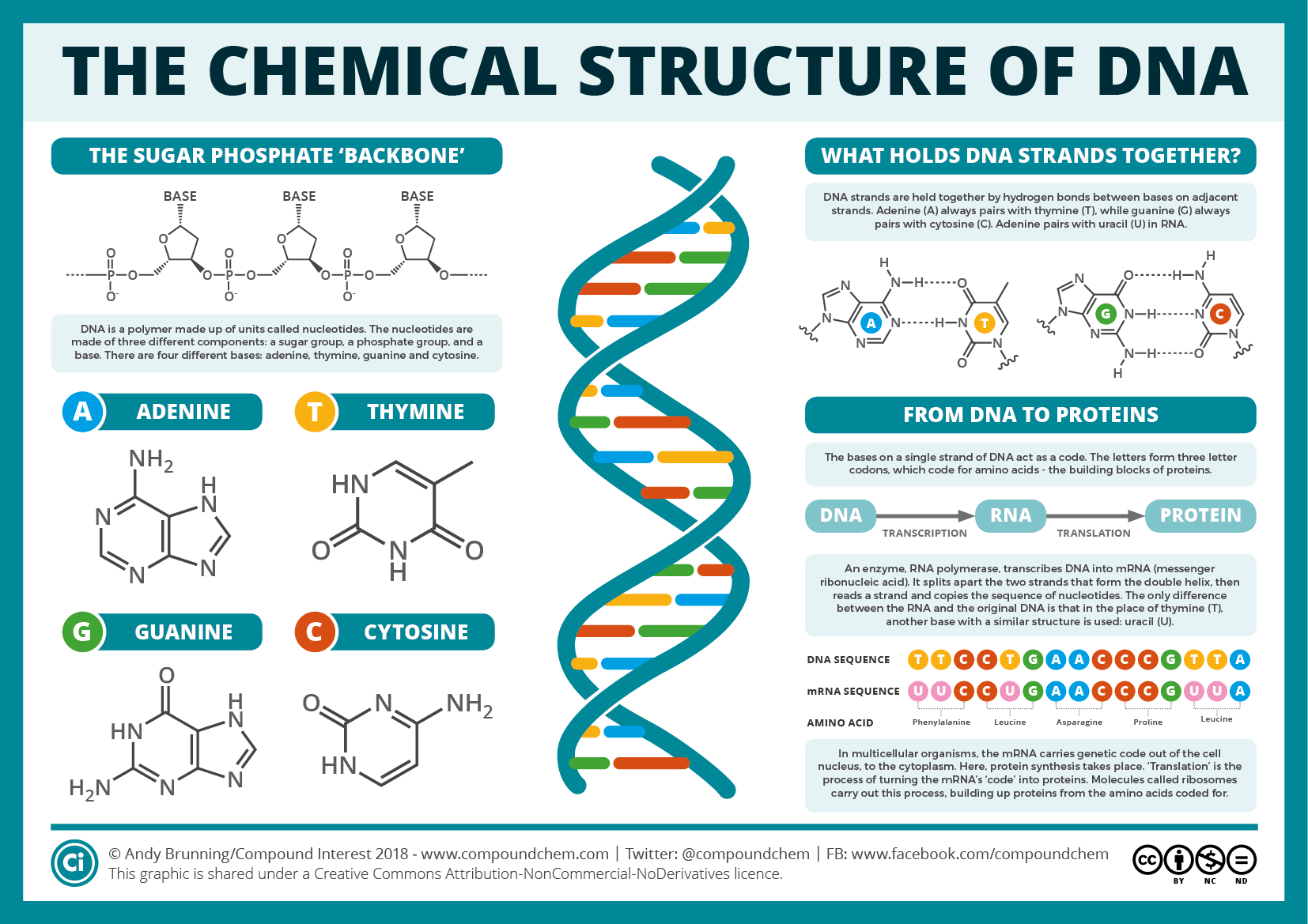
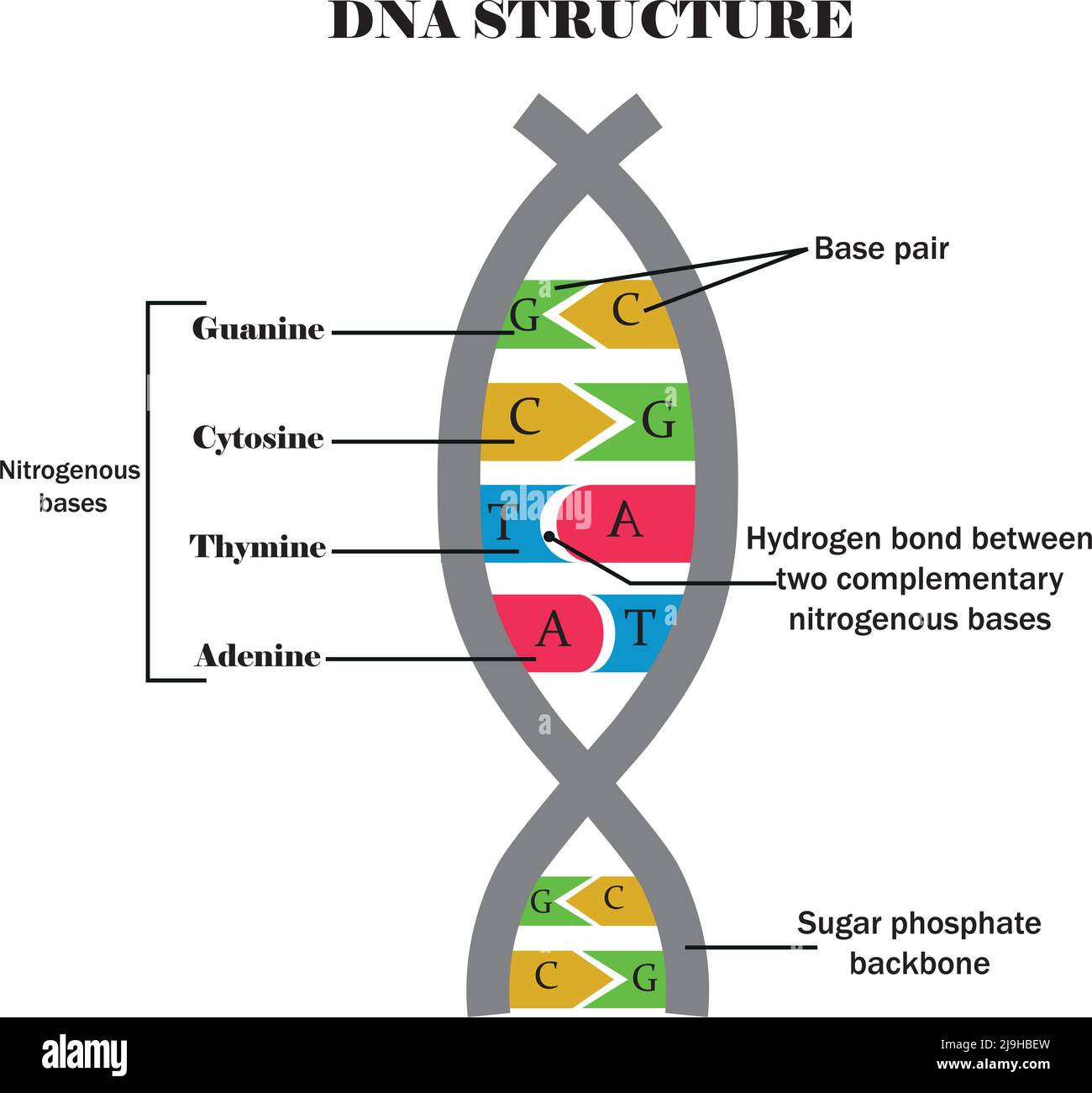
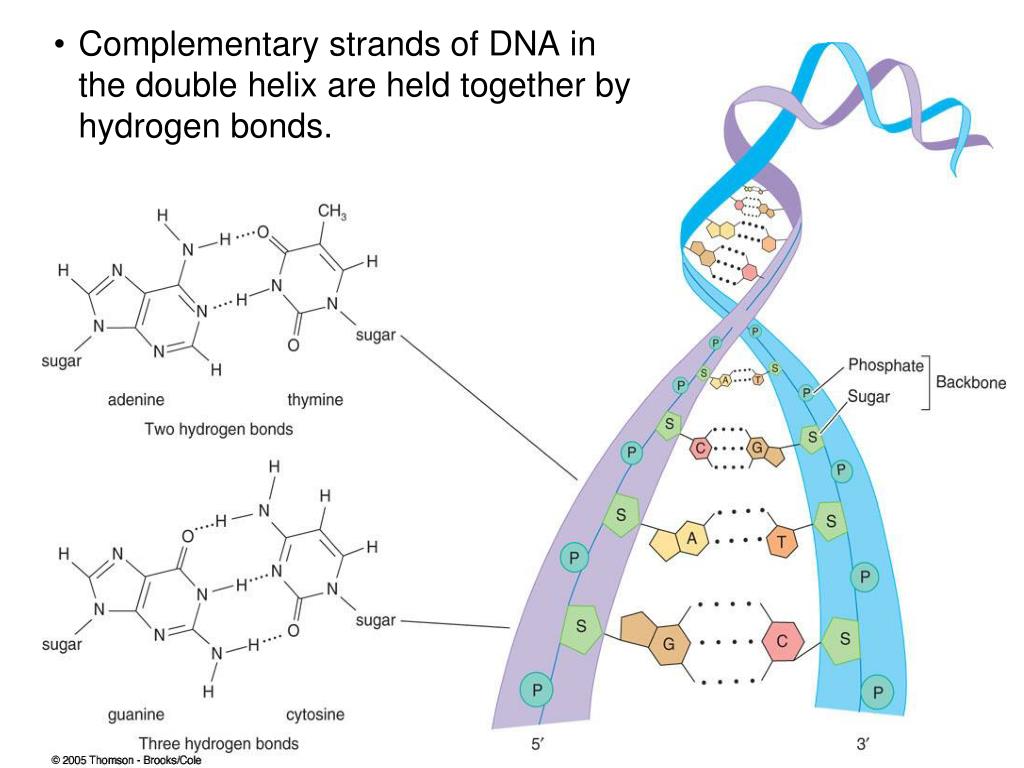
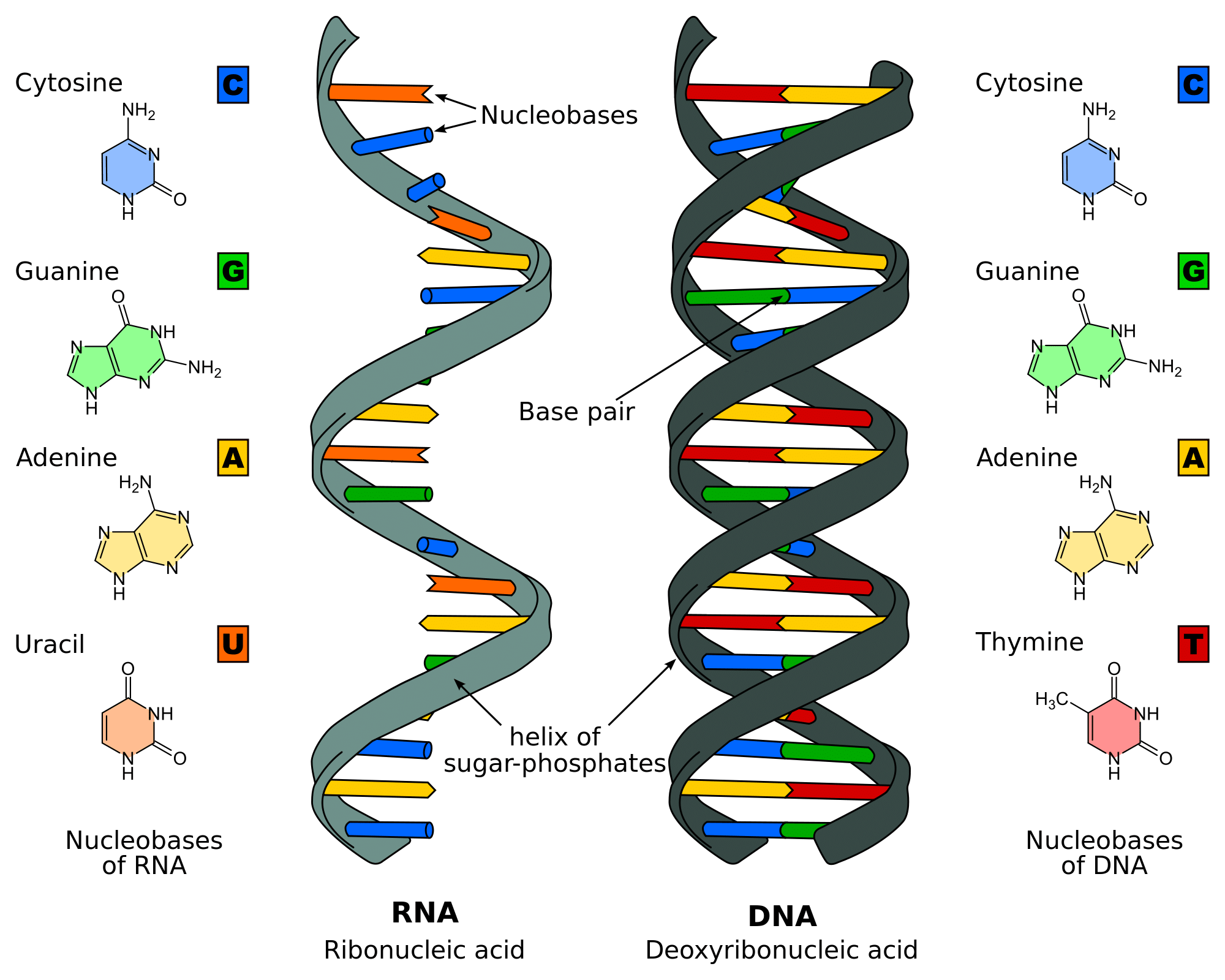
The diagram of DNA structure shows a double helical arrangement and complementary base pairing. The DNA full form is Deoxyribonucleic acid. The DNA functions to store and transmit genetic information from one generation to another. The diagram of DNA class 12 provides insight into the processes like replication, transcription, and translation essential for cellular function and inheritance.. A DNA Molecule Consists of Two Complementary Chains of Nucleotides. A DNA molecule consists of two long polynucleotide chains composed of four types of nucleotide subunits. Each of these chains is known as a DNA chain, or a DNA strand.Hydrogen bonds between the base portions of the nucleotides hold the two chains together ().As we saw in Chapter 2 (Panel 2-6, pp. 120-121), nucleotides are.

![[DIAGRAM] Dna Helix Diagram](https://www.researchgate.net/profile/Sorin_Draghici/publication/224871043/figure/fig1/AS:601583431716934@1520440075898/Double-helical-structure-of-DNA-and-complementary-base-pairing-base-A-adenine-pairs.png "[DIAGRAM] Dna Helix Diagram")





:max_bytes(150000):strip_icc()/dna-structure-518656657-570bc8895f9b5814082d6e34.jpg "Nucleic Acids Structure and Function")


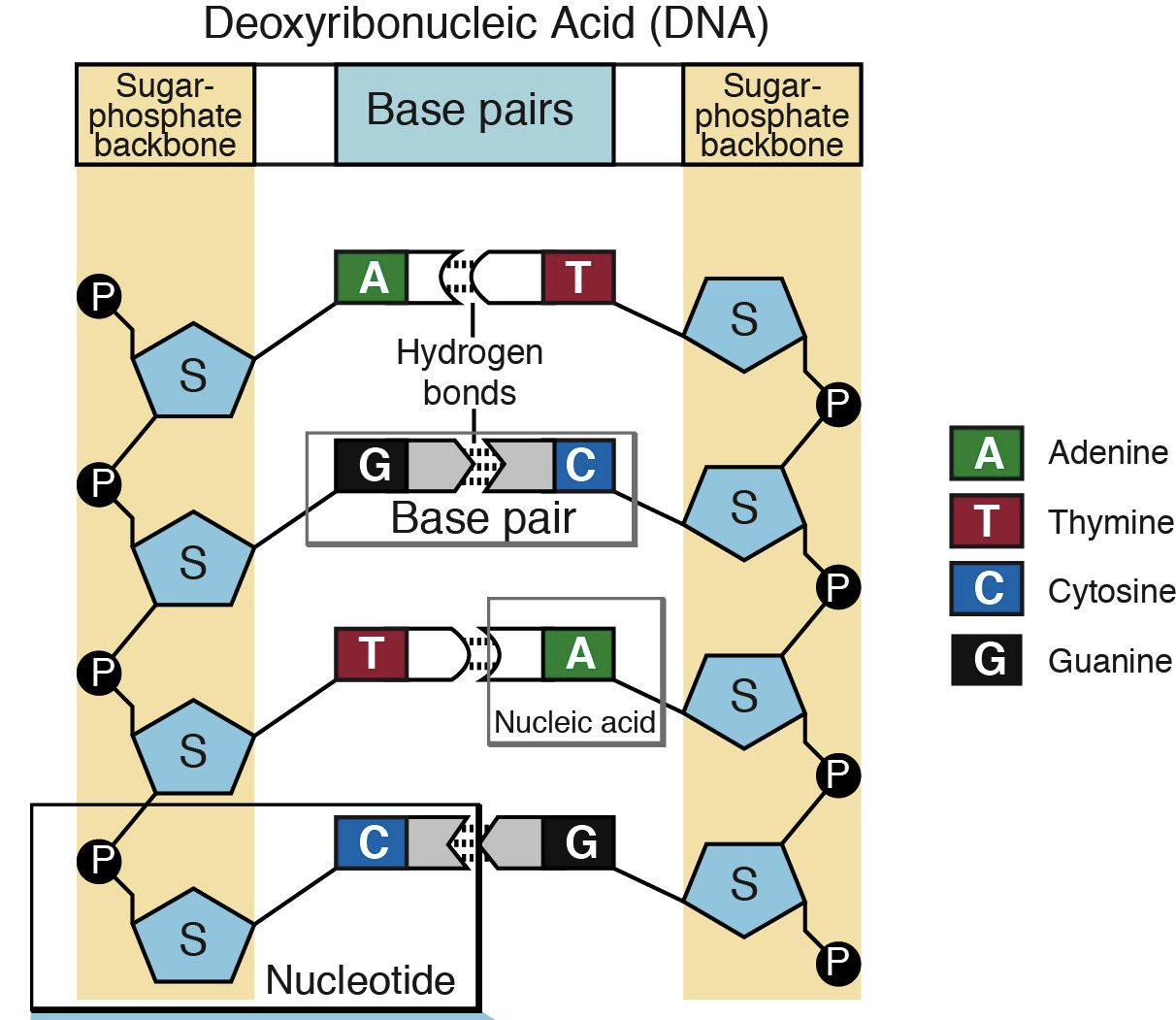
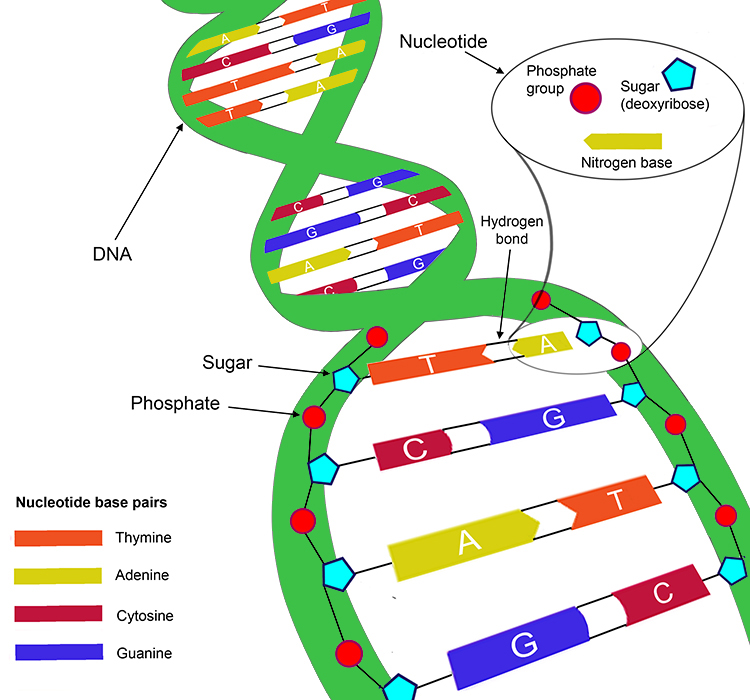

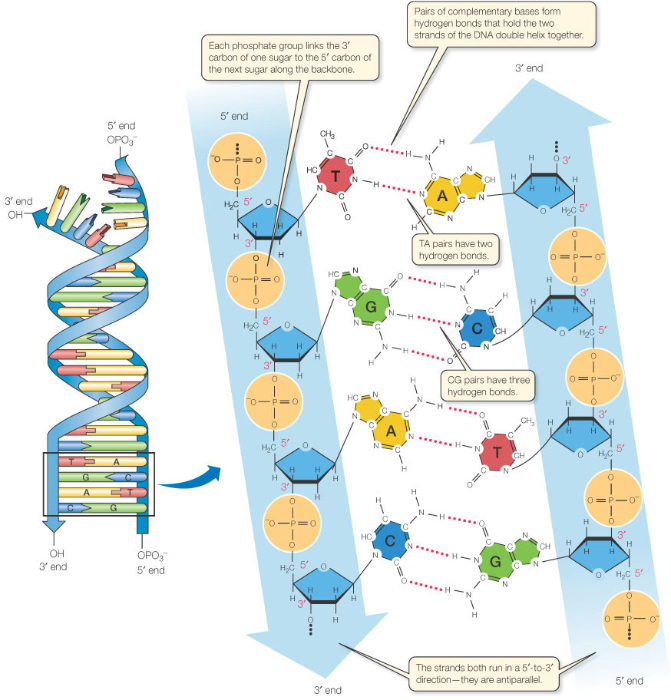


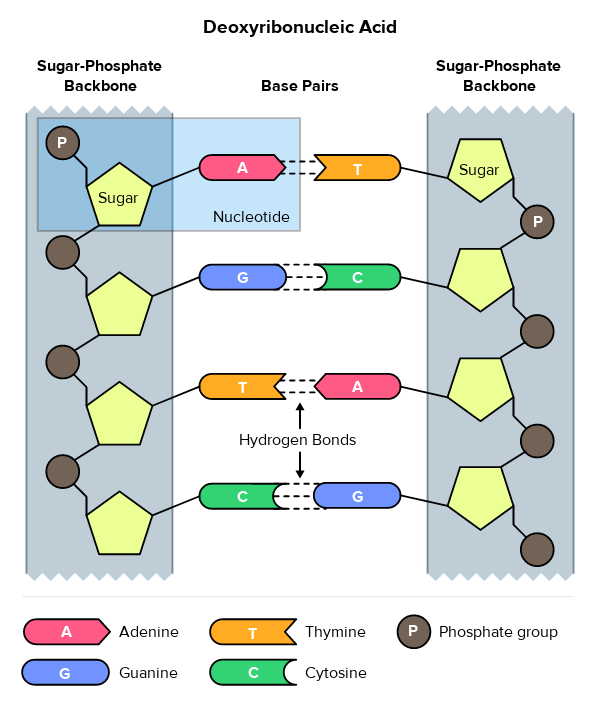
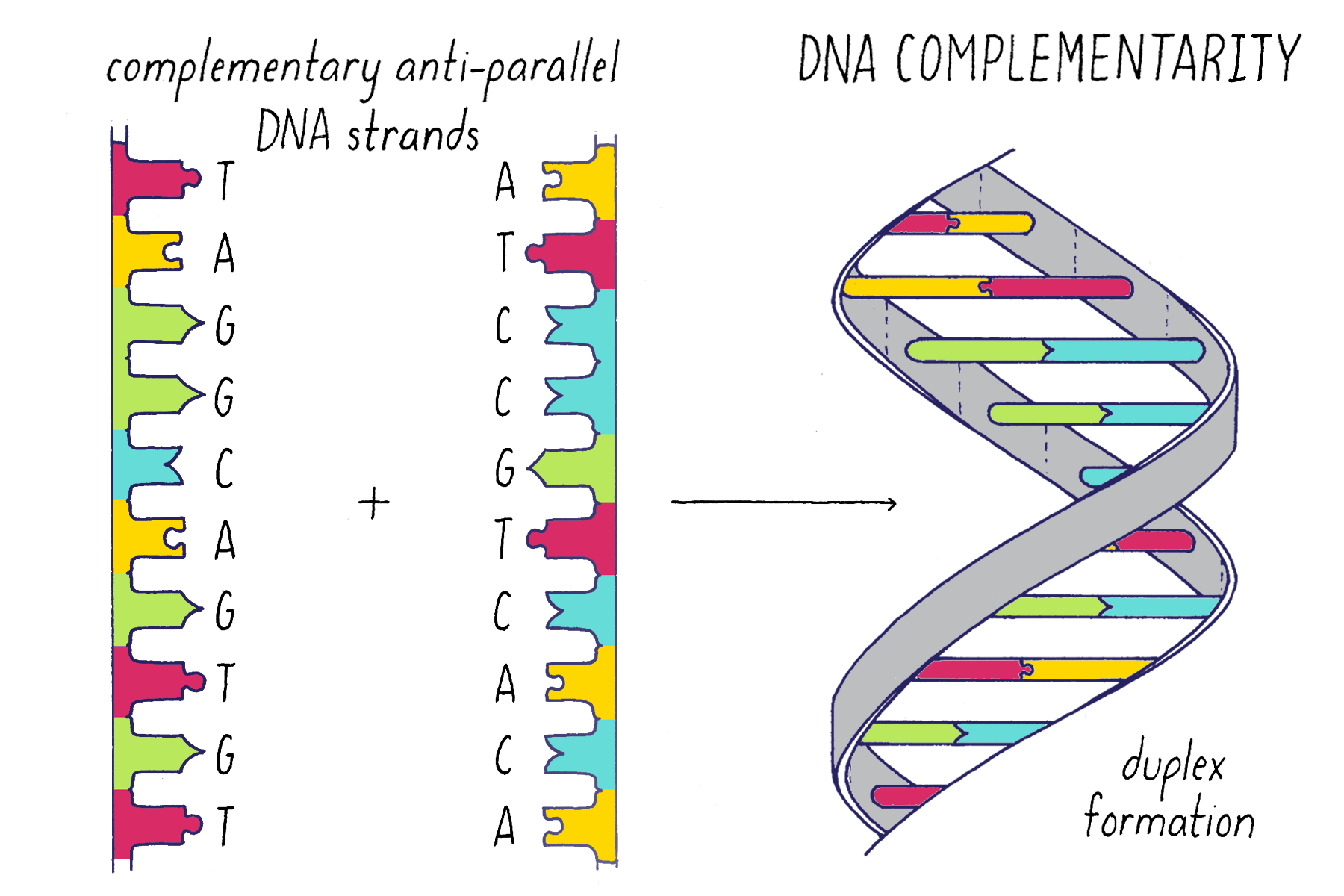
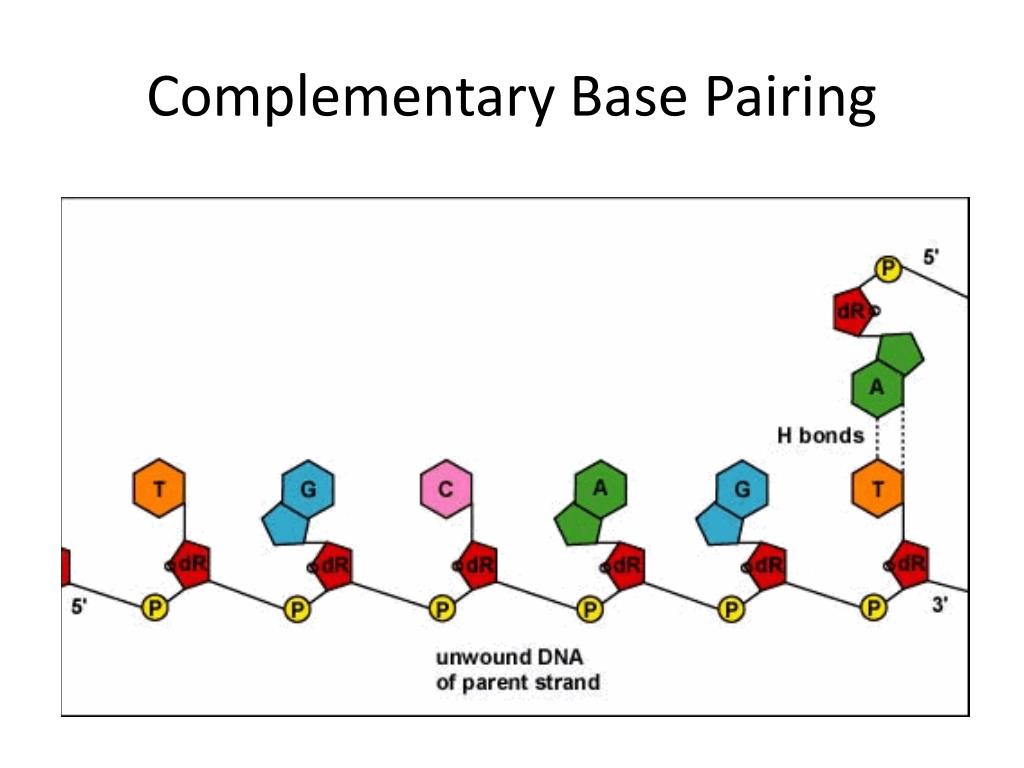
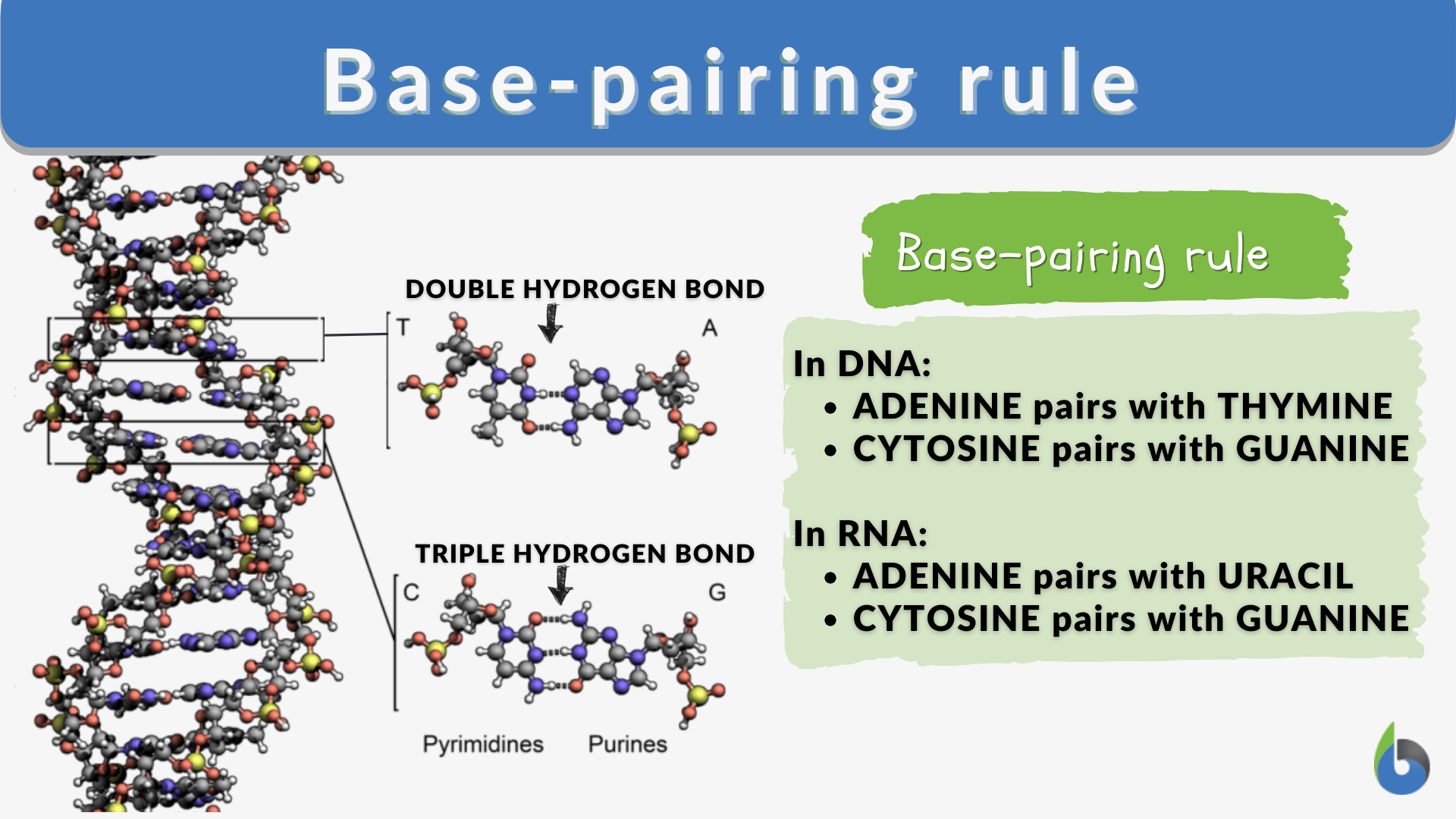
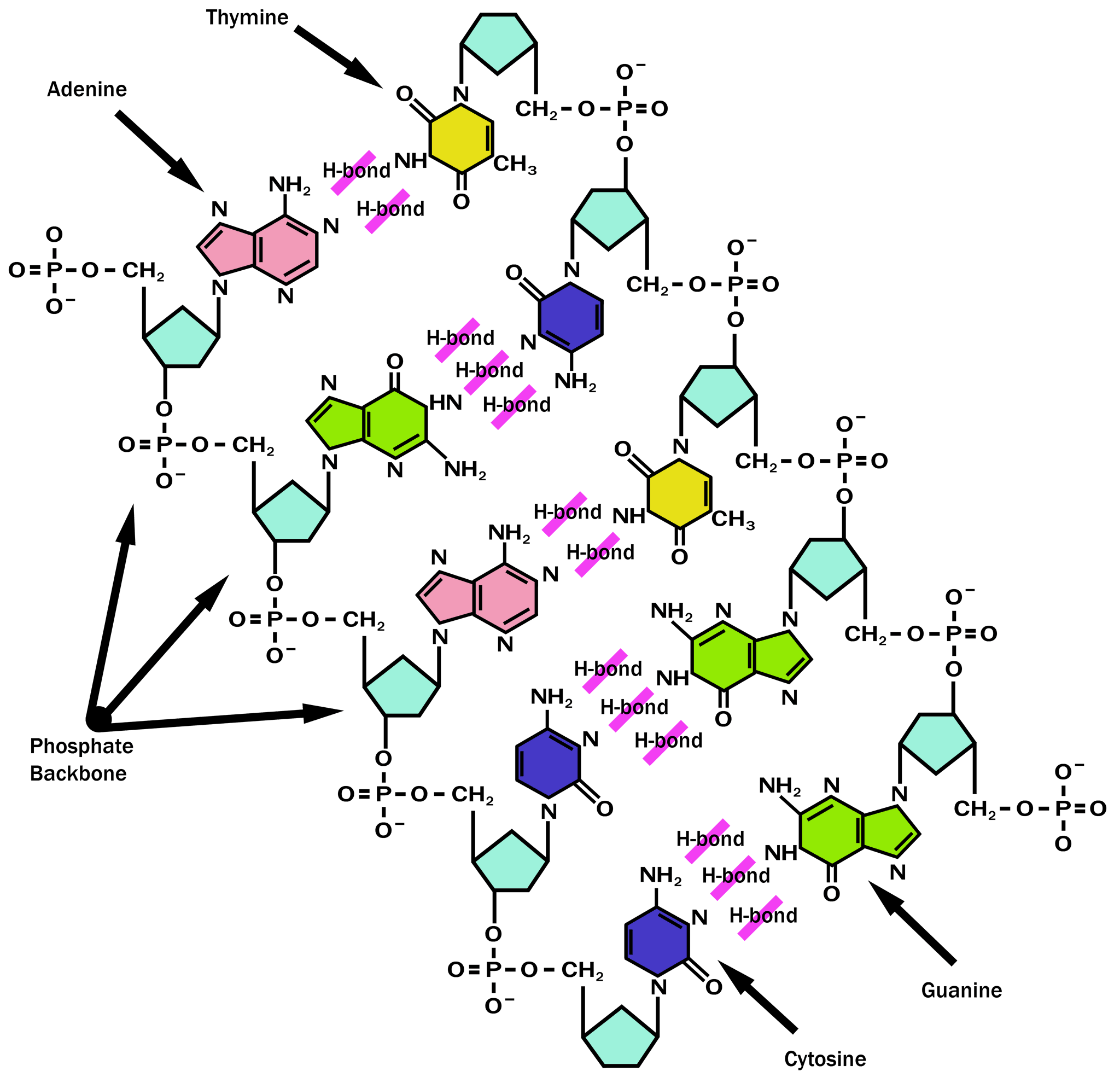
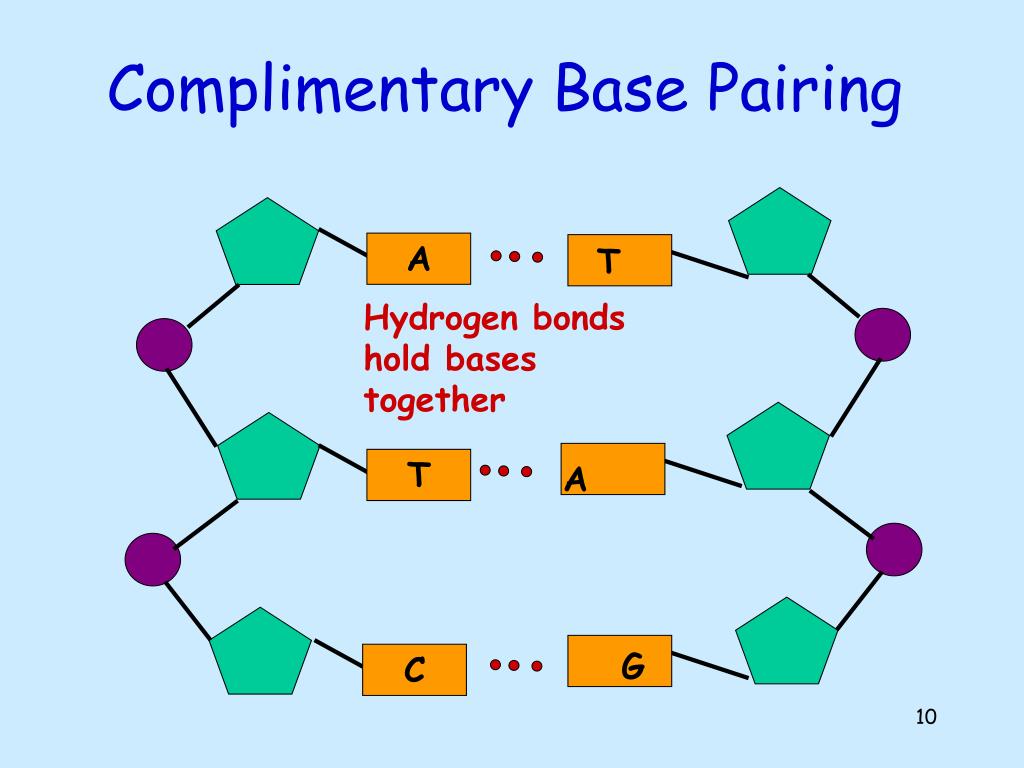
In DNA, there are four nitrogenous bases: adenine (A), thymine (T), cytosine (C) and guanine (G). Hydrogen bonds between these bases allow the double helical DNA structure to form. Each base can only bond with one other, A-T and C-G. This is called Chargaff's rule of complementary base pairing.. Credit: Madeleine Price Ball Remember that nucleotides of the DNA have the property of base pairing, where the letter A (Adenine) forms a hydrogen bond with the letter T (Thymine) and the letter C (Cytocine) forms a hydrogen bond with the letter G (Guanine).Let's use an example of a string of DNA like this:. 5′-ACGT-3′ The DNA string shown above will form hydrogen bonds with a.