Tanning hide into leather involves a process which permanently alters the protein structure of skin, making it more durable and less susceptible to decomposition and coloring. The place where hides are processed is known as a tannery. Tanning, 1880 Tanner, Nuremberg, 1609 Peeling hemlock bark for the tannery in Prattsville, New York, during the 1840s, when it was the largest in the world The.. Zack White Leather offers one of the largest selections leather Skins and hides available on the internet! We also offer custom Pre- Finished leather Services as well as Quantity Discount Pricing to all of our customers!


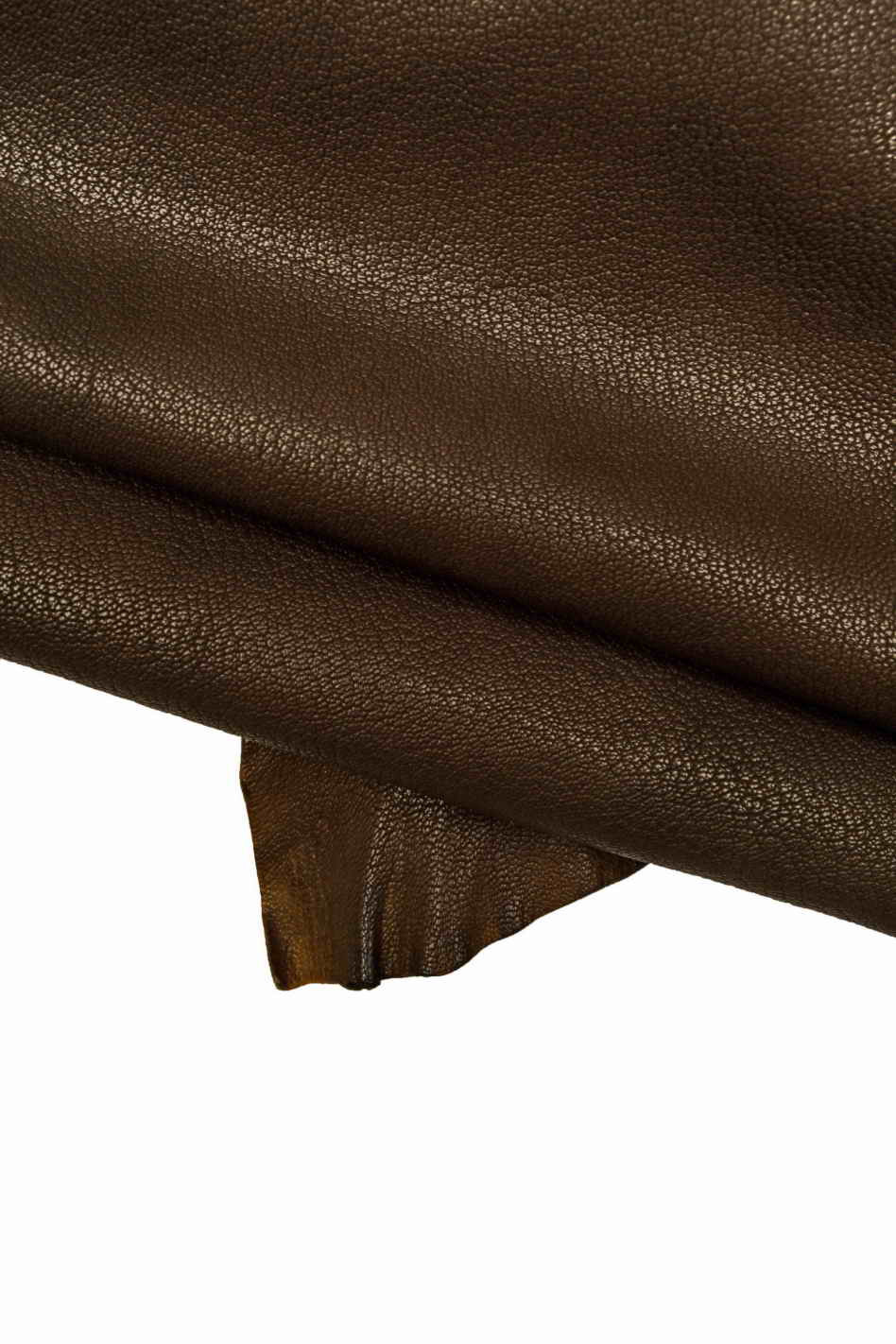


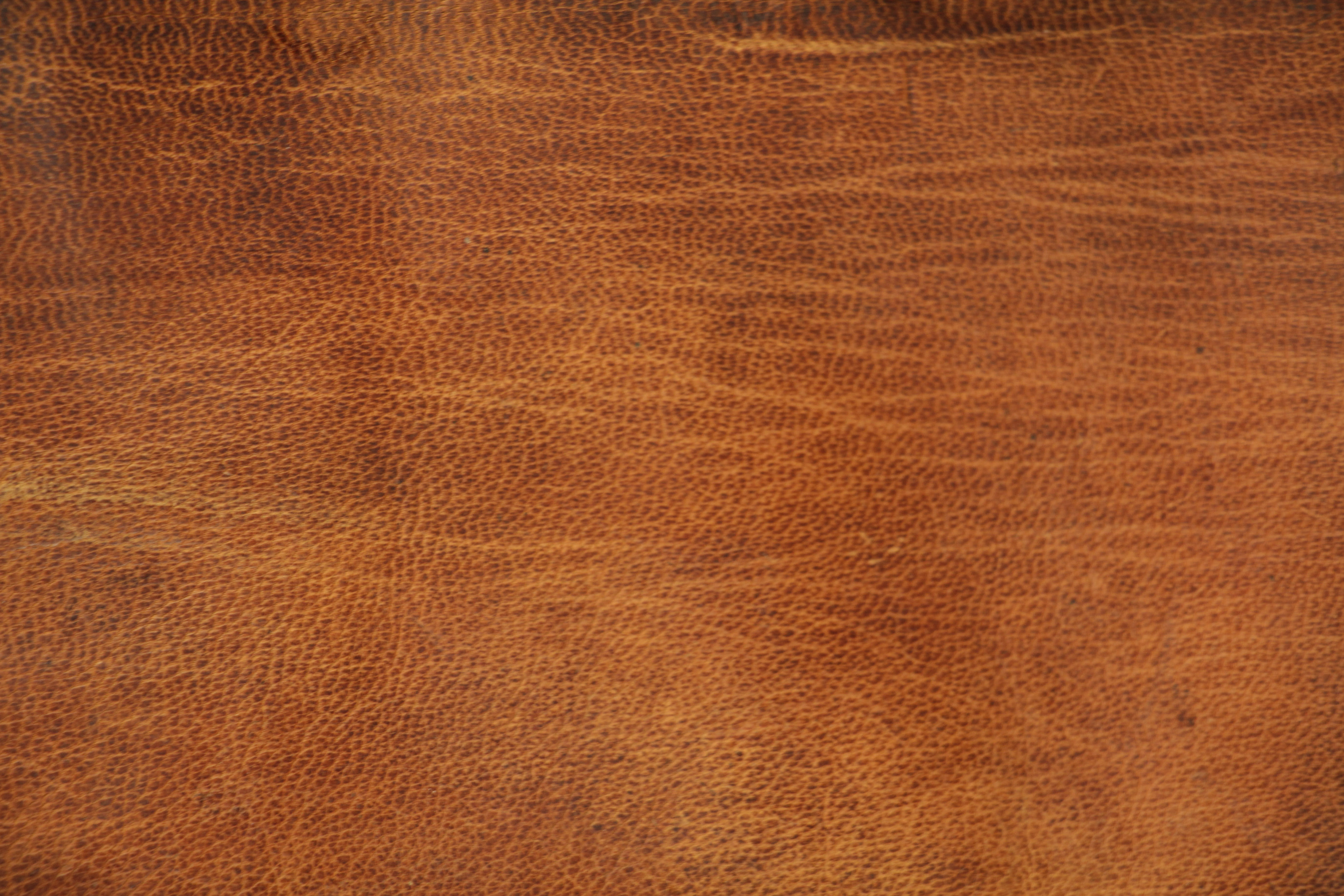
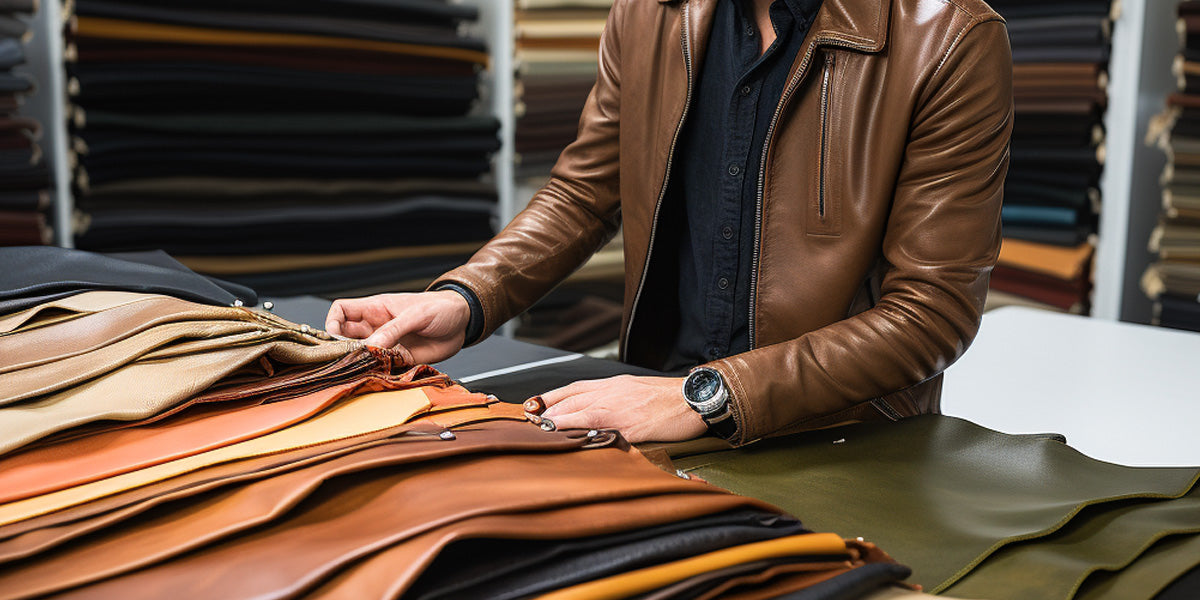


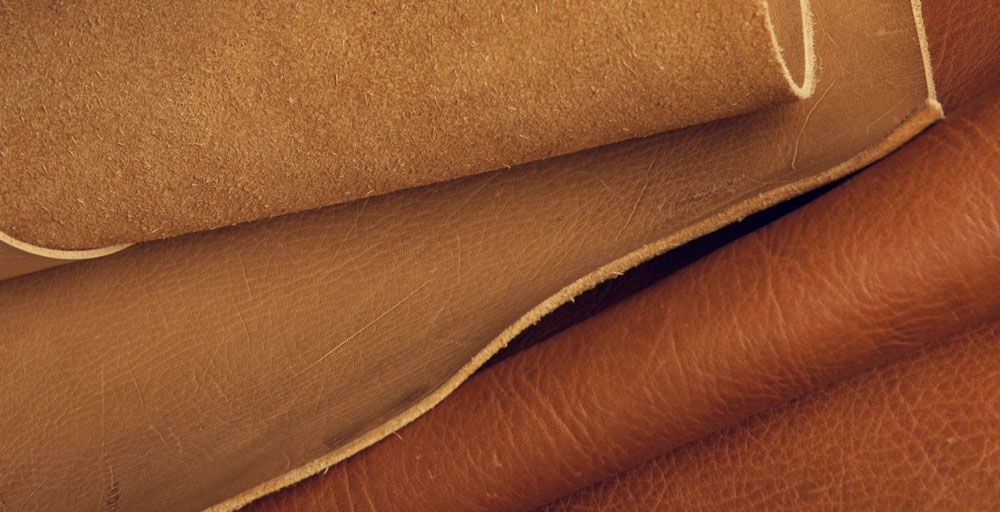
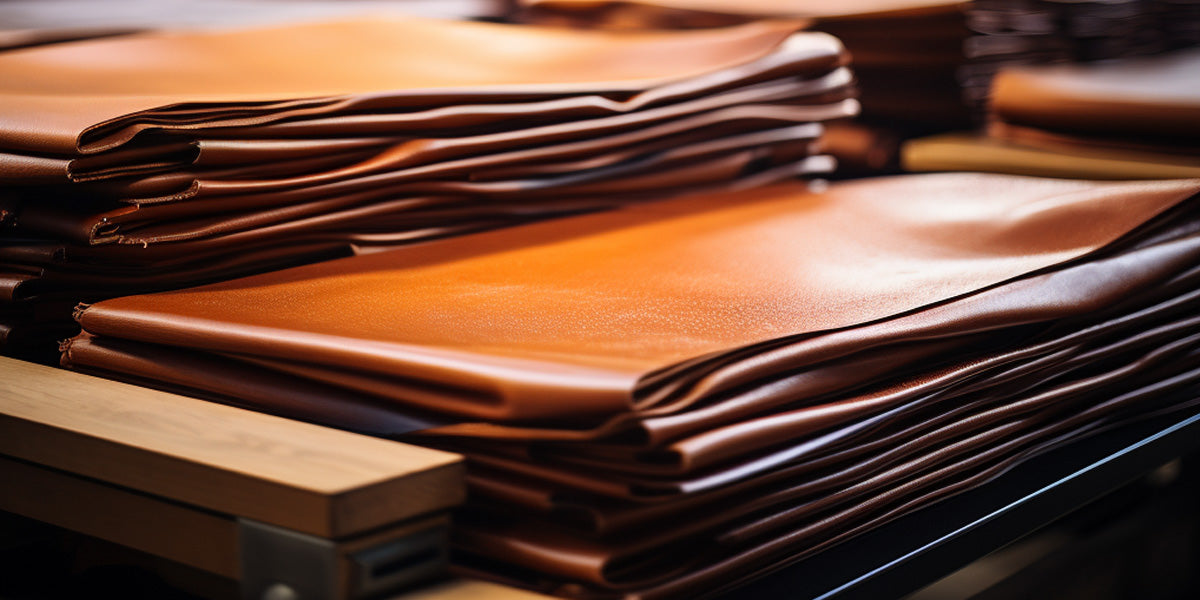
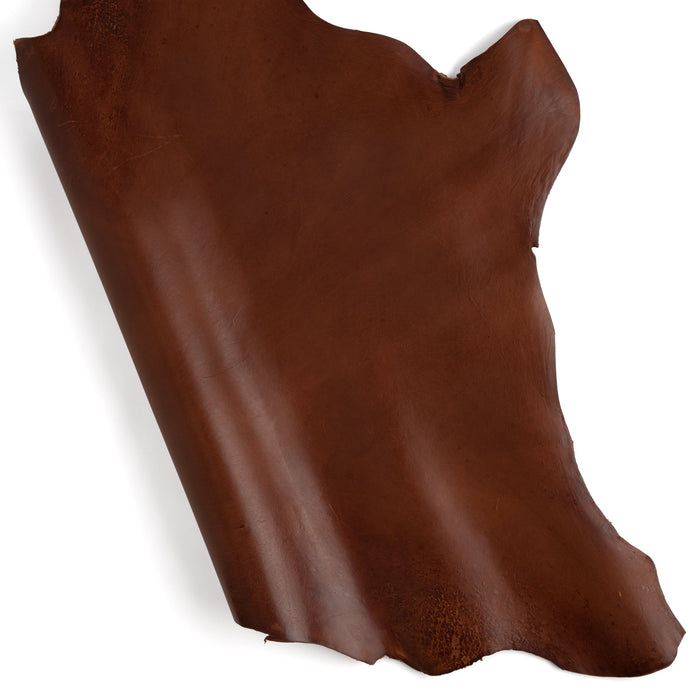








Buckleguy is one of the largest leather supply houses and distributors of leather hides and skins from leading tanneries around the world. We have been in the consultation and distribution of leather for over 70 years! We sell all top grain leather such as vegetable tanned leather, chrome tanned, and re-tans in cowhide, buffalo calf and cordovan.. The tanning process stabilizes the protein of the raw hide or skin, preventing putrefaction, and preparing it for a wide variety of end applications. The main difference between tanned and untanned dry hides is that untanned hides will putrefy after getting wet, while tanned leather will not.